

Nylon vs Polyester: Why Switching to Nylon Could Be a Game-Changer for Your Brand.
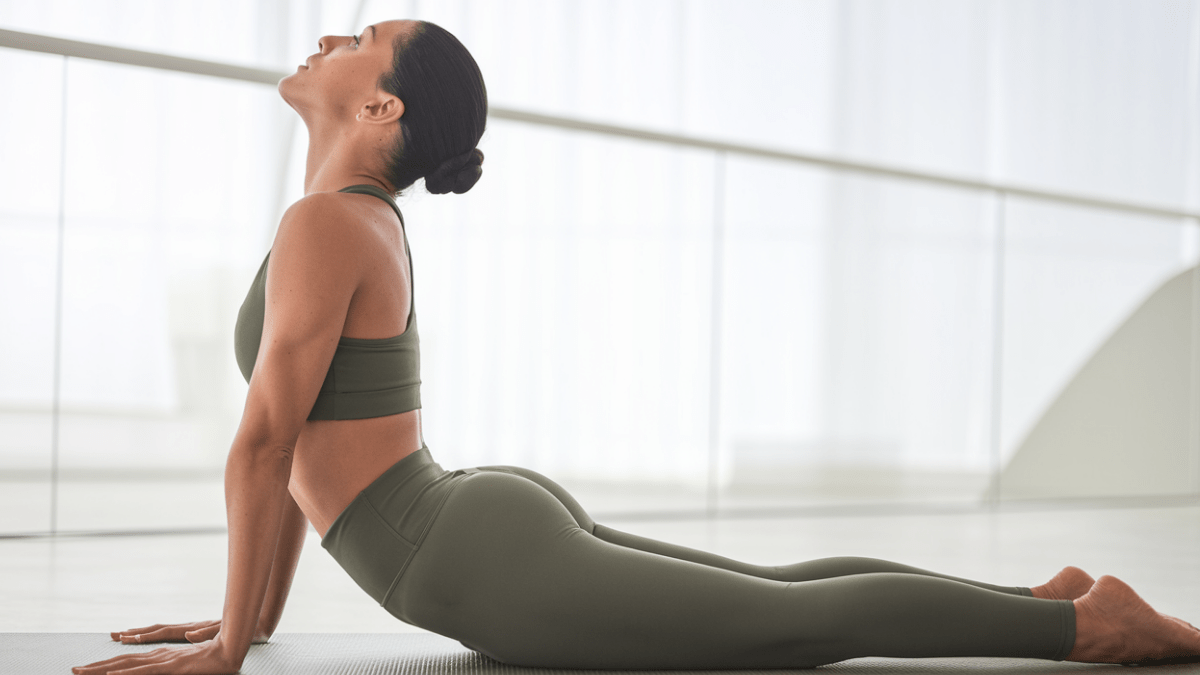
Want to know the secret to making the perfect pair of yoga tights?
The formula that popular brands have cracked to keep buyers coming back?
In the world of activewear, success isn’t just about hype, it’s about creating a product that not only looks good, but also fits, functions, and feels great on body. And for garments that are next to skin, fabric is everything.
When it comes to manufacturing fitness clothing and the debate between nylon vs polyester, most brands default to polyester. And when you flip through the material books, it’s easy to see why. It’s affordable, functional and widely available. But is polyester better than nylon when it comes to performance or product quality?
But have you noticed that some brands have seemed to make the experience of wearing a garment that feels so great on the body yet so simple in design, that it’s created a cult following?
How could something so simple make you, the customer, feel so great? And why are women willing to pay more for what can easily be described as “basic” yoga tights? It’s easy. They cracked the code: Material + Fit = Great product.
It’s not rocket science. It’s nylon.
So, let’s break down why switching to nylon might be the product move that elevates your brand from good to great.
The Difference Between Nylon and Polyester: Which is Better for Activewear?
On the surface they are very similar. Both Nylon and Polyester are synthetic polymers, which means they are petroleum-based, or to put it more simply, they are made of plastic. As materials both are seen as lighter, stronger and durable than natural fibers which is why they are so widely used in high performance sportwear and active apparel.
Polyester is composed primarily of ethylene glycol and terephthalic acid, where Nylon is typically made of polyamide.
If you have ever had the opportunity to compare swatches of nylon and polyester, you might find that it has a nicer hand feel than polyester. That is because nylon was originally made as a replacement for silk in stockings and parachutes, which is what gives the material the softer silkier hand feel compared to polyester. But modern advances in manufacturing have improved the overall hand feel, giving some polyester materials a more cotton like touch, but with a more durable output.
Performance Breakdown: Nylon vs Polyester
Durability & Strength:
Nylon:
Wins in strength, elasticity and durability. Because nylon is made from polyamide, it offers a superior abrasion resistance and higher overall tensile strength which makes it durable, and great for use in products where a sturdy material is needed for longevity in harsher conditions. If you’re comparing nylon vs polyester durability for outdoor gear or high-friction sports, nylon is the clear winner.
Nylon is more prone to pilling over time, which will impact the look over time, but not the performance.
Polyester:
Also, a strong performance in durability, but less so overall compared to Nylon. Where polyester is more resistant to stretching and wrinkling, which makes it a good choice for high sweat, high intensity activities.
Polyester resists pilling better, but it does pill, it does so more quickly, which makes it less noticeable on the surface.
Moisture Management:
Nylon:
Where nylon falls short is moisture wicking. Nylon is hydrophilic which means it absorbs water. Which means depending on the activity, the products might feel damper and more uncomfortable to wear after intensive use.
Polyester:
Polyester is hydrophobic, which means it repels water, making it the winner when it comes to moisture wicking. Polyester has the ability to wick moisture away from the body which allows for the moisture to evaporate quicker leaving the athlete dryer sooner.
Breathability:
Polyester:
Because of the high wicking, polyester is generally seen as more breathable than nylon. There is also a wider range of weights and densities of materials which can offer lighter more airy solutions, making it the more breathable choice.
Nylon:
Compared to polyester, nylon is less breathable, trapping more heat and moisture close to the body, which doesn’t make it the best choice for high intensity activities in warmer environments.
Additional Considerations: Color, UV Resistance, and Cost:
Color:
If color matching and achievability is your primary goal, polyester might be the best choice for you. Polyester responds to dyeing much better than nylon, and achieved better color matching, especially with brights compared to nylon.
UV Resistance:
Both Polyester and nylon are sensitive to UV light exposure, but Polyester will perform better and is more resistant to fading and degradation when exposed to sunlight.
Cost:
In terms of raw material pricing, nylon vs polyester cost comparisons will almost always favor polyester, which is why it’s the fiber of choice for mass-market activewear. And while nylon does come with a higher price tag, the performance and hand feel of the end product justify the expense.
When to Choose Nylon vs Polyester for Your Designs:
How to choose comes down to your product’s purpose and market positioning.
Choose Nylon when:
- Comfort and next to skin feel are critical.
- Product durability is a must (e.g. abrasion from gear, body movement, terrain)
- You are creating a premium product and need a silky, luxe feel.
- Sweat management isn’t the top priority (e.g., low-intensity or cold weather use)
Perfect for:
- Yoga and Pilates
- Cycling
- Swimming
- Ski and Sailing jackets and pants
- Backpacks and accessories.
Choose Polyester when:
- Sweat and heat management are essential
- Product weight and breathability are top priorities
- Color accuracy and vibrancy matter
- You’re producing at scale and margin and price are your primary goals
Perfect for:
- Running and HIIT
- Team Sports
- Hot weather apparel
- Budget-conscious activewear
Not Sure Where to Start?
Choosing between nylon vs polyester fabric, isn’t just a technical spec, it’s a brand decision.
If you’re unsure which material fits your product best, that’s where we come in.
At Active Wear Productions, our team of product experts works with you to evaluate the best fabric for your product’s purpose, positioning, and production plan. We work closely with fabric suppliers who provide materials with superior performance capabilities. We help brands navigate sourcing, fabric selection, sampling, and production, so you avoid costly mistakes and time-consuming guesswork.
Visit our homepage to learn more about the many ways we partner with brands offering product creation support. We support your team through your custom made performance and activewear needs, and smart material decisions, no matter your sport of focus.
Thanks for reading. If you’re an experienced brand looking for a reliable partner for Vietnam apparel manufacturing or a yoga pants supplier for your next product range, get in touch here. We partner with industry professionals who are ready to move efficiently and scale with confidence.