


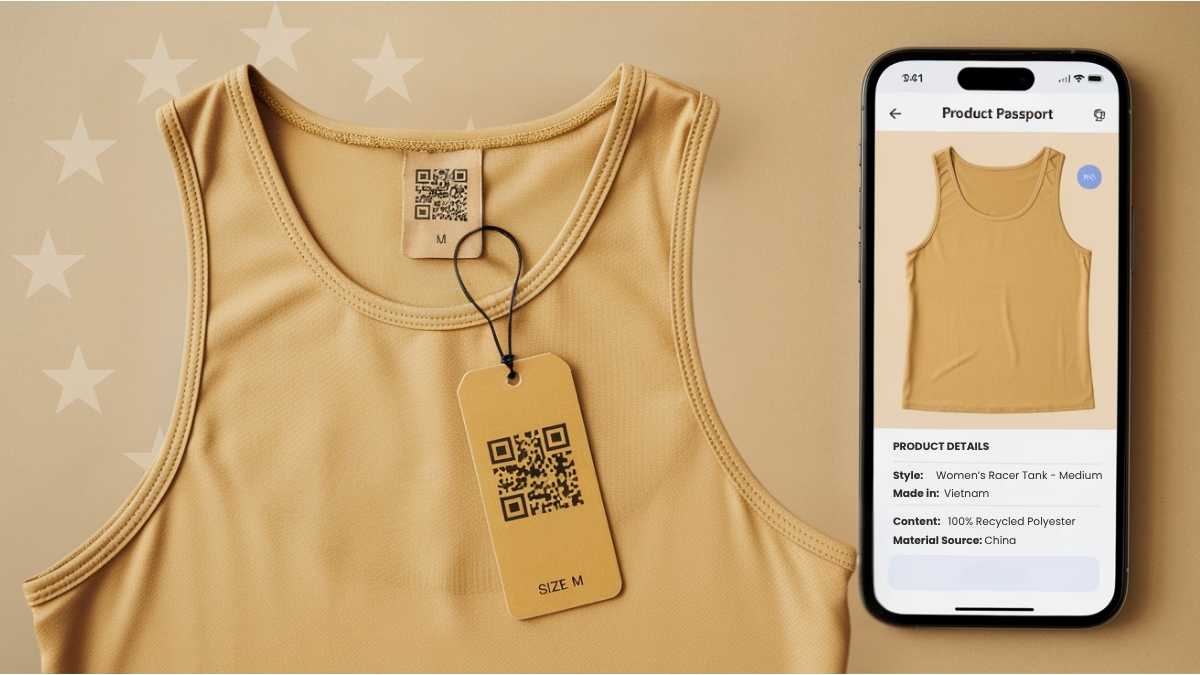
Upcoming EU Product Rules: ESPR and Digital Passports for Apparel
If you’re producing or selling apparel in the European Union, you’ve likely heard about new regulations like the Ecodesign for Sustainable Products Regulation (ESPR). One major component of this legislation is the introduction of Digital Product Passports (DPPs) for apparel, a key step toward more traceable and sustainable production.
As part of the European Green Deal, the EU is rolling out a wave of sustainability and circularity regulations aimed at reducing the environmental and social impact of the fashion industry.
While this regulatory landscape can feel overwhelming, the goal isn’t to burden brands. It’s to build better systems, making companies more accountable for what they produce, how it’s made, and what happens at the end of its life.
For product teams, the most immediate regulation to understand is the Ecodesign for Sustainable Products Regulation (ESPR). This post breaks down what ESPR means for fashion, how Digital Product Passports (DPPs) for apparel fit in, and what your team can do today to stay ahead.
What is the ESPR and Why Does It Matter?
The ESPR sets mandatory sustainability and circularity requirements at the product level for nearly all physical goods in the EU, starting with textiles. It is a cornerstone of the Green Deal’s effort to reduce environmental impact and encourage better product design from the start.
Rather than penalizing brands, the ESPR encourages improvements in durability, repairability, recyclability, and resource efficiency. It also emphasizes supply chain transparency, enabling consumers to make better choices and ensuring accountability from the brands they support.
Key ESPR Requirements for Apparel Brands
-
Eco Design Criteria
Garments must be designed with durability, recyclability, and repairability in mind from the start.
-
Digital Product Passports (DPP)
Every item must carry a digital passport (via QR code, RFID, or similar) that includes materials data, sustainability metrics, and end-of-life guidance.
-
Ban on Destruction of Unsold Goods
Large companies must stop destroying unsold textiles by July 2026. Medium-sized businesses must comply by 2030.
-
Supply Chain Traceability
Brands must map fiber origins, chemical usage, and batch-level production information to comply with DPP requirements.
-
Circularity by Design
Use mono-materials, avoid hazardous substances, and design garments for disassembly and recycling.
What Are Digital Product Passports for Apparel?
The Digital Product Passport (DPP) is one of the most impactful tools introduced by the ESPR. While industry-specific requirements are still being finalized, brands should begin preparing now.
What Will the DPP Contain?
The DPP is expected to include:
-
Unique Product Identification – A QR code, RFID, or NFC tag must be attached to the product and not easily removed.
-
Product and Manufacturing Data – Batch number, manufacturer/importer, and production facility info.
-
Material and Composition Information – A full breakdown of raw materials, origins, and certifications.
-
Environmental and Social Metrics – Including carbon footprint, chemical data, and documentation of ethical practices.
-
Compliance Documentation – Certificates, TARIC/customs codes, and declarations of conformity.
-
Usage and End-of-Life Instructions – How to care for, repair, recycle, or responsibly dispose of the garment.
-
Lifecycle and Ownership Tracking – Optional data such as repair or ownership history.
-
Data Accessibility and Storage – Data must be secure, free, machine-readable, and stored for the expected lifespan of the product.
How Will It Work?
The DPP will be accessed via a scannable code or tag, linking to a digital record hosted online. It must be accessible to consumers, retailers, recyclers, and authorities throughout the product’s life.
Key ESPR Dates to Know
-
18 July 2024 – ESPR enters into force
-
2025–2026 – Delegated acts define product-specific rules
-
July 2026 – DPP registry launches, ban on destruction of unsold goods for large companies
-
July 2027 – Apparel-specific DPP rules expected to apply
-
2030 – Full implementation and review
What You Can Do Today
-
Organize Your Data Systems
Ensure your PLM or digital tools can track required data for each product and integrate QR/RFID support. - Have Dedicated Support
Consider assigning a dedicated project lead manage cross-functional requirements. From material traceability to lifecycle documentation, it’s more effective to begin building infrastructure now than trying to retrofit your processes later. -
Request Documentation Early
Ask suppliers for sustainability certificates, impact data, and origin verification during development, not after. -
Design With Longevity in Mind
For performance apparel, select durable fabrics, reinforce high-wear zones, and use trims that can handle repeated use. -
Partner With Responsible Suppliers
Work with manufacturers like Active Wear Productions who can support full supply chain transparency and compliance. Check out our sustainability page to learn more.
Final Takeaway
It’s no longer enough to say you’re sustainable, you have to prove it.
Regulations like the ESPR and Digital Product Passports are pushing the fashion industry toward more responsible, transparent, and circular systems. Brands that prepare early will build trust, avoid fines, and gain a competitive edge.
DPP compliance is not just about checking a box. It’s about shifting your product development mindset to build with purpose, transparency, and long-term impact. Brands that take action early won’t just meet regulation, they’ll lead with credibility and consumer trust.
For a more comprehensive overview, visit the European Commission’s Green Deal portal.